Author: armantalebi
More Than Scrolling: Building a PLN That Matters
“Your network is your net worth.”
Porter Gale
Like a majority of people my age, I spend a decent amount of my time on social media. This includes TikTok, Instagram, YouTube, and occasionally Discord or Snapchat. Most of the time it’s casual use, listening to music or looking at memes, sports highlights, random rabbit holes on YouTube, etc. But over the past year, I’ve started to see my feed differently, not just as entertainment, but as a potential space for learning and connection. I always used for these purposes as well as entertainment but I wasn’t aware about it or hadn’t thought about it in that way before. That’s what this blog post is about: how I have been slowly building a Personal Learning Network (PLN), intentionally curating what I see, who I follow, and what I take away from being online.
PLNs are more than just the list of people you follow. A strong PLN is built over time, it’s reciprocal and personal. It’s still a work in progress for me but I’ve started making small decisions that shape what kind of learning and energy I surround myself with. I will reflect on that process through these three core ideas:
- How social media helps shape and support my PLN
- The importance of ethics, privacy, and digital responsibility
- How inclusivity and Universal Design for Learning (UDL) can make digital learning spaces more meaningful.
Photo by dole777 on Unsplash
1. PLN Spaces Through Social Media
My PLN lives mostly on platforms I was already using, I didn’t have to download anything new but instead made changes to how I use them.
On Instagram, for example, I started unfollowing pages that were just promoting toxic content or posting things designed to provoke anger and emotion or clicks. This is generally referred to as “rage-bait” online. I instead followed more creators in the music production space, especially ones posting FL Studios tips and tutorials. This small shift changed my feed dramatically. On TikTok, I started liking more beat-making content and producers talking about workflow or plug-ins. This made my algorithm push more useful content my way rather than the usual mind-numbing content I would see. Thats the power of intentionality.
I still mostly consume content on TikTok, YouTube and Instagram, but I also post some music related posts to my Instagram account occasionally. Even though I don’t post often, I still feel part of a community. I watch how other creators share their process and it makes me feel I’m learning alongside them and not just watching from afar.
One thing I’ve noticed is that the more I curate my feed, the more aligned it becomes with my goals, not just as a musician, but overall as a person. This is a big shift from how I used to scroll aimlessly on social media. Now it feels more like passive learning, even when I’m not actually doing much.
2. Privacy, Ethics, and Responsibility in Digital Spaces
Ethics and privacy used to not be very important to me at all, like agreeing to terms and conditions that nobody reads. But in building my PLN I’ve come to realize how important these things can be.
For example, I try to be intentional about what I repost or comment on, especially if it’s something serious or controversial. I used to comment on posts all the time without considering people I know in real life could come across them. I had friends tell me they saw my comments on posts a few times in the past and that was my first wake up call to wise up and think before I post anything on the internet. The comments in question weren’t necessarily bad but they weren’t written with the thought that anyone I know could stumble across them. I’ve also stopped sharing screenshots from private conversations on Discord, even when they seem funny. This is partly out of respect and partly because I might not want someone to share something I messaged them privately on social media.
Another important thing is how we engage with misinformation and online behaviour. I’ve seen situations where people spread false info in a comment thread and nobody corrects it. This is either because they don’t care, they don’t wanna start drama, or they blindly believe the comment. I think part of building a healthy PLN is knowing when and when not to speak up. Even a question as simple as “What’s your source on that?” can change the discussion to something more thoughtful.
3. Inclusivity, UDL, and the Power of Intentional Learning
One thing I try to be mindful of is not creating an echo chamber in my PLN. I try to follow people with different perspectives and ideas, especially on polarizing issues. I do this because I don’t want to just hear one side. I wouldn’t call my feed perfectly “inclusive” and central, but I do put some effort into hearing voices outside my usual circle.
Inclusivity also means thinking about who gets heard and who doesn’t. I’ve followed smaller creators who don’t have big platforms but do post really thoughtful, interesting stuff. I think UDL’s idea of “multiple means of representation” applies here. Not everyone learns or communicates the same way. Some people make and consume structured tutorials, others do raw, messy progress content. That diversity helps me learn more effectively because it shows me different ways to approach the same topic.
UDL is also about flexibility and access. I’ve noticed that the best PLN spaces, like well run Instagram pages, often do this well. They mix memes, infographics, video tutorials, and written posts. This makes it so that different kinds of learners can engage however they want.
To me, inclusivity is more than identity, it’s also about learning styles, platforms, and access points.
From Passive Use to Purposeful Growth
Right now, my PLN is mostly passive. I watch, listen, and absorb content online but I’d like to start contributing more: posting tips I’ve learned, documenting my progress with FL Studio, or just asking more questions publicly instead of keeping them to myself.
I also want to shift more of my social media time away from entertainment and into skill development. That doesn’t mean cutting out all the fun, but just bring more aware of how much time I spend scrolling versus growing.
My PLN isn’t perfect, but it’s mine, and it’s evolving with me.
References
Trust, T. (2016). PLNs: Educators' Perspectives on Personal Learning Networks. TechTrends, 60(3), 265–272.
Couros, A. (2010). The Networked Teacher: Building PLNs for Lifelong Learning.
Living Online: Mapping Who I Am Digitally
Mapping My Digital Identity
Over the last week, I’ve been thinking more intentionally about how I exist online. I’ve always had a sense of what’s personal vs. professional when it comes to my digital identity, but mapping it out really helped me visualize how much of my digital life sits somewhere in the middle.
My Digital Map
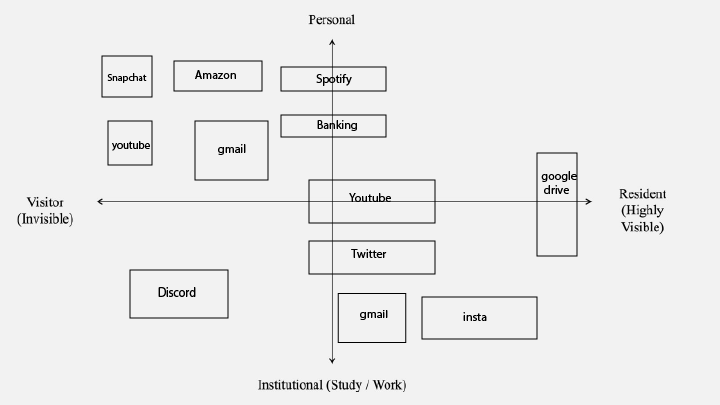
Creating my own Visitor and Resident map gave me a clearer sense of how I move between online spaces. For example, Snapchat, Amazon, my personal Gmail, and my private Instagram all sit in the top left quadrant, firmly in the visitor and personal zone. I go in, do what I need, and leave. These spaces are private, and I’m not really participating in a way that builds a digital presence.
But on the flip side, I’ve got things like my public Instagram (a creator/business account), my music YouTube channel, and a separate Gmail address that I use professionally, all of which fall into the resident/institutional zone. These are platforms where I engage more consistently and intentionally. Whether it’s posting beats, replying to messages, or sharing updates, these spaces shape how I’m seen online, not just by friends, but by potential collaborators, classmates, and even employers.
I’ve added my full map as an image below. It helped me realize that I’m more of a resident than I thought, especially in the spaces where I’m building something creatively.
Personal vs Professional & Drawing The Line
I’ve always separated my personal and professional identities online. I have two different Instagram accounts, one for personal posts with friends, and one public-facing account for music and brand-building. I have two emails, one for personal accounts and services, and one for public use thats used for business accounts and available to the public. On the business side, I’m much more careful about how I come across. I’ll delete a beat if I don’t think it holds up anymore. I’ll reword captions if they sound off. I’m not trying to be overly calculated, but I do think about how people perceive what I post.
It’s not just about being “professional”, it’s about being intentional. I want to make sure that if someone looks me up, whether it’s a peer or someone who might want to work with me, what they find actually reflects the effort I put into my creative work. At the same time, I want my public identity to still feel real and not overly curated. It’s a balance I’m still figuring out.
Personalized Learning
One of the biggest advantages of digital life for me is how much it supports personalized learning. I’ve talked before about how I started learning music production on YouTube, but what stands out more now is how self-directed the whole process has been.
I’m not following anyone else’s curriculum. I learn what I want to learn, whether that’s how to sample properly or how to make beats in a certain style. I also learn through Instagram Reels or TikTok clips, where someone breaks down a technique or a sound in 30 seconds. It might seem shallow, but it’s often just enough to spark an idea or point me in a direction I want to explore deeper. Instagram and TikTok also can randomly spark ideas or inspiration even when I’m not looking for it and I’m just scrolling recreationally.
This approach connects with what we’ve learned about Constructivist theory, where learners actively build their own knowledge based on experience and interest. I’m not passively receiving information; I’m choosing what matters to me and going after it.
Privacy, Surveillance, and My Digital Footprint
I wouldn’t call myself paranoid, but I’m definitely more aware of my digital footprint now than I was a few years ago. I use a browser called Brave which has a built in ad-blocker and enhanced privacy features, and I try to keep my passwords varied (even though I just rely on iCloud’s password manager most of the time).
I haven’t had a major privacy scare, but I’ve had some unimportant accounts hacked before and seen enough people have theirs hacked to know it’s worth being careful. I also avoid linking my private accounts to anything public, and I keep my personal profiles locked down. Even when I post publicly, I try not to overshare. Another thing I avoid is clicking on unknown links as they can be phishing scams, I always make sure I trust the source of the link or I avoid it.
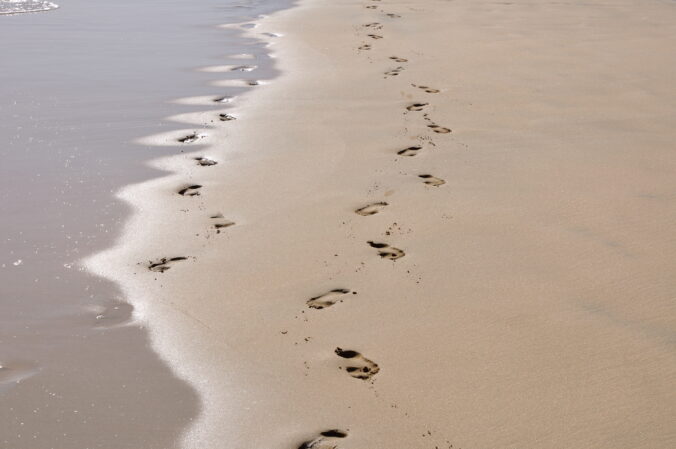
Every post, like, or comment leaves a trace, and in creative fields like music, your digital presence is often the first impression someone gets of you. I want mine to be solid, not just for others, but so that it reflects who I actually am and the kind of work I care about.
“Your digital footprint is more permanent than a footprint in the sand. It doesn’t get washed away by the next wave.” – Unknown
Final Thoughts
Working on this blog post made me reflect on how much overlap there is between personal and professional online life. They’re not always separate, and that’s okay, but being intentional about what you share and where you share it is what really matters.
YouTube Instagram TikTok
About Me
Hi, I’m Arman Talebi, a third-year BA Music student at UVic. My path in education has been a mix of formal learning and figuring things out on my own. I got into music production during high school, mostly watching YouTube tutorials and messing around with free versions of FL Studio through trial and error. That hands-on, self directed experience really stuck with me and shaped how I think about learning now. I’ve always been more drawn to creative, tech-based ways of learning than traditional classroom structures where you have less sense of freedom.
Social Media and Education
Social media is a big part of how I learn now, even if I didn’t really notice it at first. I follow a bunch of producers and music creators on social medias such as TikTok, Instagram and YouTube. I’ve learned a lot just from short clips and breakdowns people post and have learned even more from long form tutorials on YouTube.
The downside is it’s also super easy to get distracted. One second I’m watching a tutorial, the next I’m watching unrelated stuff for an hour. If you can stayed focused, social media can definitely make learning more engaging.
Personalized Learning & Digital Literacies
Being able to work at my own speed helps me stay motivated and engaged. If i want to learn a specific skill I can just go look it up and focus only on that. There’s not waiting or sticking to someone else’s plan making it easier to stay interested and keep improving.
When learning anything on social media or online, digital literacy matters. You’ve got to know which sources are worth trusting, how to avoid sketchy downloads, and how to stay safe online. When I first started, I didn’t think much about that stuff. Over time I’ve gotten better at telling the difference between useful info and low-quality stuff.
Managing My Digital Identity
Since I post music online now and then, I’ve started think more about how I come across digitally. I’m not super calculated about it, but I do try to be respectful and consistent with what I post and how I interact. You never know who’s going to come across your work, especially in creative fields like music. A good impression online can open doors, even if you’re not actively looking for them yet. I also keep most of my accounts private unless they’re meant to show something I’m working on.
There’s a balance between showing personality and keeping things professional. I would like to be real online, but also want to make sure there’s nothing out there that could make someone question my work ethic or professionalism. I’ve seen how a careless post can change someone’s view of you, and it’s something I try to avoid. Whether it’s classmates, future collaborators, or even employers checking out your profile, it’s worth putting in the effort to make sure your digital footprint actually represents who you are.
Recent Comments